


Managing a multi-story property necessitates a keen eye on operational efficiency and fiscal prudence. Waste management, perhaps one of the most granular yet critical daily logistics of building operation, can serve as an insidious expense if overlooked. Property owners and facility administrators grapple with the merits of modern technology and time-honored methods to deal with their deluge of refuse.
In comparing traditional manual waste removal with an integrated vertical drop system, the economic discrepancies become remarkably clear. For stakeholders deciding on the best waste management solution for high-rise buildings, the total operating cost breakdown clearly illuminates the financially sound option. The structural investment in purpose-built infrastructure from a provider like Binman Construction fundamentally redefines how your building’s refuse is managed.
The Hidden Overhead of Traditional Refuse Systems
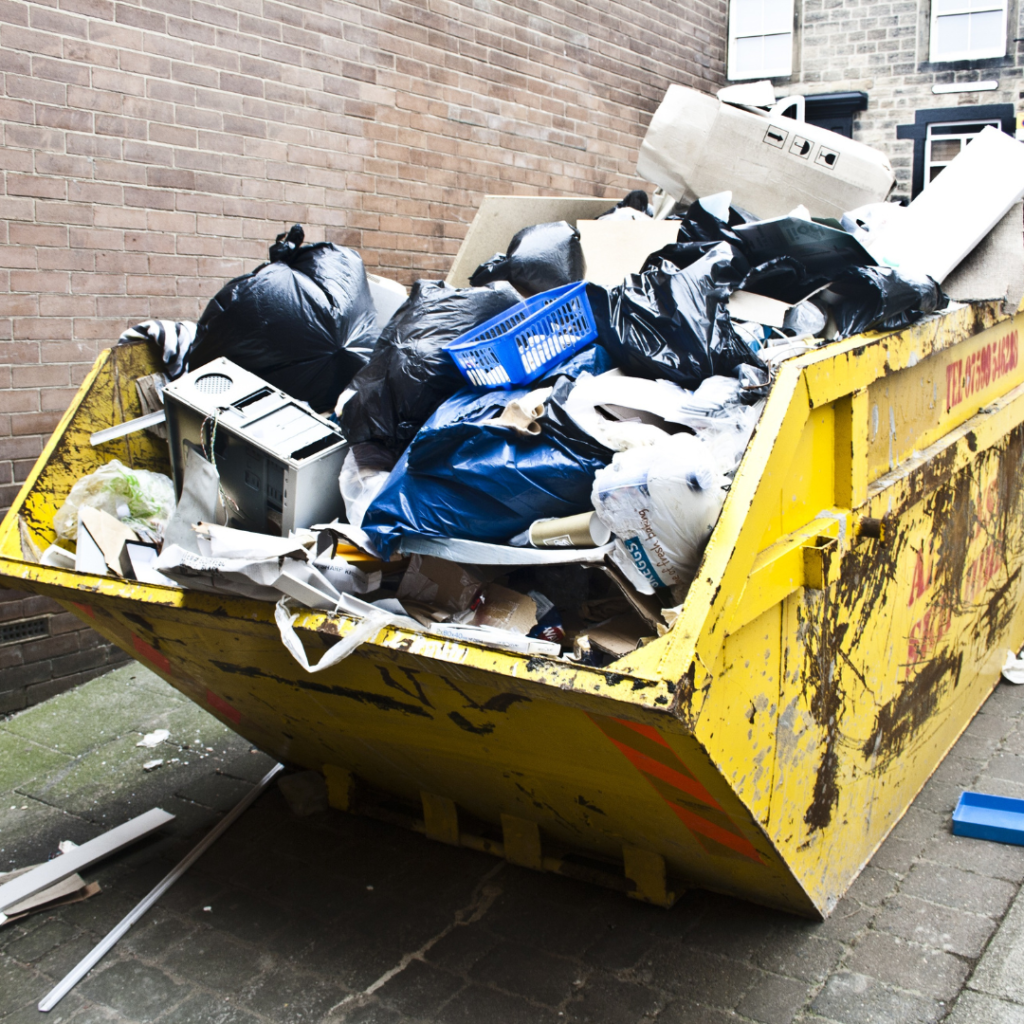
Traditional waste removal inherently involves intensive manual labor at every level of the building. In a structure devoid of a specialized vertical transport shaft, environmental service workers are forced to make multiple trips, traversing floors from top to bottom, collecting filled trash bags from individual apartment doors or office bins. They drag cumbersome, heavy containers down long hallways, jockey for service elevators, and finally haul the refuse to the main garbage bin on the ground floor or at the loading dock.
This manual process incurs substantial and often unseen financial costs:
- Escalated Labor Expenses: Many cumulative hours are consumed each day or week by personnel dedicated solely to physically moving refuse throughout the property.
- Accelerated Elevator Wear and Tear: Industrial trash cans scratch floors, damage interior linings, and impose considerable wear and tear on elevator cables and machinery, leading to more frequent and expensive repairs.
- Structural and Odor Damage: Leaking bags of garbage dragged down corridors can lead to permanent staining of floors, tears in carpeting, and the persistence of unpleasant odors that may require professional cleaning or floor replacement.
Direct Cost Efficiency of Commercial Trash Chute Systems
By transitioning to a professionally engineered vertical drop system, the financial architecture of a property changes completely. The installation of a commercial trash chute eliminates the need for residents or tenants to manage and transport their refuse through common areas. Trash is placed into specially designed, fire-rated intake doors on each floor, and gravity takes over, allowing the waste to fall directly to a secure collection room at the base of the building.
This automated, direct-drop method obviates the requirement for building staff to conduct manual collections across floors. This frees up valuable labor resources, allowing them to be redeployed to higher-value property maintenance and tenant service tasks, thus reducing overall building operating expenses. When a property manager assesses what the most cost-effective waste disposal system is for multi-story buildings, the elimination of direct labor hours stands out as the key financial benefit.
Maintaining the System: The Role of Professional Trash Chute Cleaning
Essential Commercial Trash Chute System Maintenance: Ensure a long and productive lifetime of your investment. Inevitably, over the years, organic and food residue, bacteria, and grease build up inside the chute shaft and walls. Without cleaning, your chute can suffer damage from corrosion, be the site of massive pest infestations, and become the source of pervasive unpleasant smells in common areas of your facility.
Specialized trash chute system cleaning should be part of routine building maintenance programs. Trained technicians with high-pressure, hot-water cleaning equipment are able to effectively flush the interior of your shaft with non-hazardous degreasers to remove all residual waste and cleaning chemicals from the stainless-steel, while cleaning debris that will eventually lead to corrosion and destruction of the chutes’ infrastructure.
Transforming Building Operations with Binman Construction
Maximizing the economic advantages of a vertical waste disposal system requires not only advanced engineering but also the use of high-quality materials. At Binman Construction, we have built a reputation for excellence in the design, fabrication, and installation of robust, code-compliant chute systems for a wide range of residential, commercial, and industrial properties.
Our Structural Standard: Each vertical chute installed by Binman Construction is constructed from heavy-duty, fire-rated, and corrosion-resistant materials designed to withstand daily heavy use while adhering to all modern safety regulations.
Frequently Asked Questions
A1: A vertical drop network is considered the most cost-effective waste disposal system for multi-story buildings due to its reliance on gravity to move waste, effectively eliminating the need for significant manual labor. This automation drastically reduces operational costs associated with personnel, floor, and elevator maintenance, and even potentially municipal collection fees. Centralized collection simplifies disposal logistics.
A2: The best waste management solution for high-rise buildings must address issues of scale, hygiene, efficiency, and aesthetics. Modern vertical systems designed and installed by companies like Binman Construction are engineered to handle thousands of pounds of daily waste without obstructing hallways, disrupting living spaces, or posing unsanitary conditions, thereby enhancing the overall living and working experience.
A3: Regular trash chute cleaning helps flush the inner lining of the shaft from a variety of building-clogging factors: from greasy, baked-on garbage build-up and sticky residue to corrosively strong organic acid-based food acids and harmful embedded bacteria. If that corrosive substance is left uncleaned, the interior of your chute’s metal walls will rust away.
A4: Absolutely. In fact, some of today’s more advanced, high-end commercial chutes feature smart, multi-sorter mechanisms. When utilizing a multi-sorter installation type, a single vertical shaft is equipped with internal, automated, electronic diverters that, with the push of a button on the corresponding chute door, route waste, recyclables, and/or compostable waste to a separate disposal bin located below.
A5: Buildings that generate a high volume of garbage, such as large residential apartment complexes or heavy commercial high-rise structures, need to plan on a professionally performed “flush” type cleaning, once or twice annually.
A6: Code-compliant systems will come standard with highly fire-rated intake doors that seal tightly, eliminating smoke or flames from leaking in or out. In addition, the garbage chute’s shaft opening in the receiving area typically features a special fire damper that snaps into place when temperatures exceed designated thresholds and stops the rise of flames upward through the building’s shaft.
A9: Certainly. The process of pulling large trash receptacles through hallways and repeatedly lifting full trash cans to be dumped down a dumpster shaft are common culprits behind worker injuries, including the more serious types of muscle strains, cuts, and punctures. Utilizing a garbage chute transfers all the risks and dangers associated with manual waste hauling away from your maintenance and building staff.
A8: Persistent odors from dirty chutes emanating into residential hallways can, and often do, reduce tenant loyalty. They lower the overall property value of an individual apartment or building unit. Consistent preventative maintenance of a garbage chute ensures that smells are effectively managed, therefore preserving your building’s long-term value in the competitive market.
A9: The good news is that many older structures and high-rises can utilize old vertical chases or even take advantage of some newly added exterior structural “building-outs” to successfully install an updated commercial chute. Your building structure will need to have an inspection by an expert in chute construction to assess its capabilities — often a structural engineer from a site like Binman Construction would help determine a project plan.
A10: Adding a receiving heavy-duty compactor or automated multi-bin carousel underneath a garbage chute will enable you to collect waste with a much smaller footprint, greatly reducing your building’s need for frequent city waste collections. This translates to considerable savings on disposal fees.