

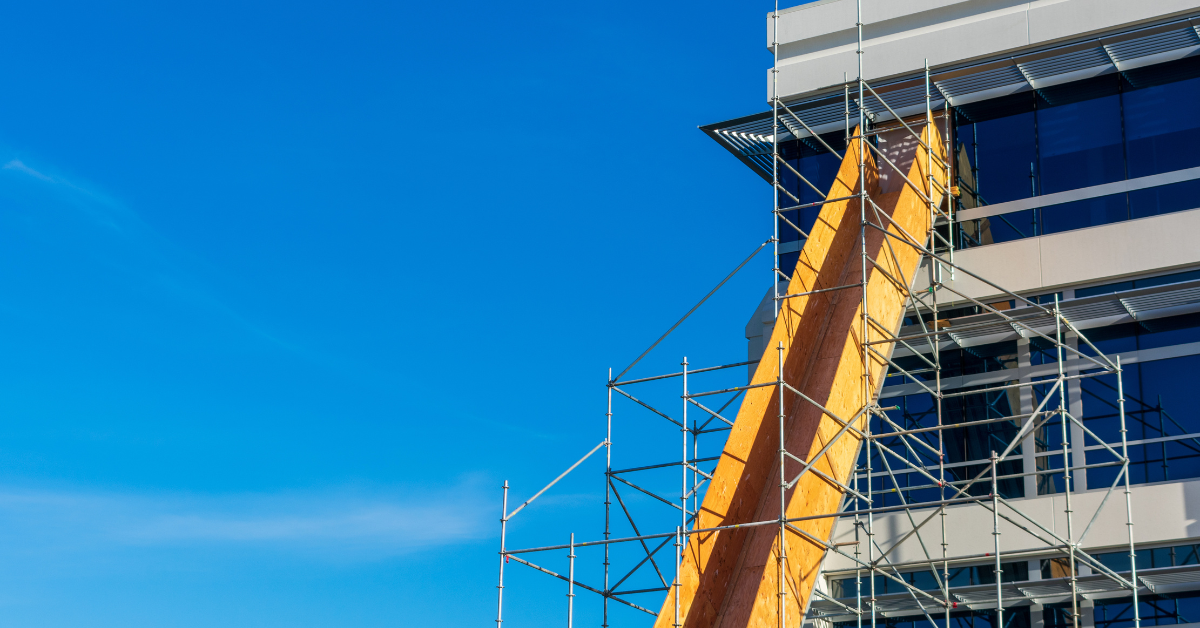
Having an easy way to dispose of large amounts of trash and waste material is critical for cleaning and sanitation efforts in multi-dwelling residences and commercial buildings like tall structures. Especially where hauling trash from upper floors to lower levels is such a difficult and labor-intensive job, the right disposal chute can make all the difference. If you’re a property owner or a building contractor who’s starting a job, learning the trash chute cost of installation will be vital for building operation budget projections and optimization.
Installing a high-quality trash disposal chute system will reduce the workload needed for carrying trash around, reduce waste transport time, improve structural sanitation, and help improve resident experience and building ambiance. Despite the perceived cost of purchasing this equipment, taking factors of materials, installation complications, and continuing maintenance into account while doing a trash chute cost comparison will greatly assist you.
The estimated trash chute installation cost breakdown
The cost of integrating a commercial trash disposal system can fluctuate greatly, depending on the unique architectural design of the building. Generally speaking, the initial trash chute installation cost on a standard multi-story building structure can range anywhere from $1,500 and $4,500 per floor. If you have a modest 5-story structure, then the projected budget would normally be around $7,500 to $22,500 for the installation of chute segments and professional fitting. A more elaborate high-rise will, however, incur significantly higher expenditures based on system complexity and engineering demands.
Top Factors Determining Installation Pricing
When you begin your architectural planning for a building, here are the prime structural considerations that will drive the cost of installing a trash chute:
Material Preference
The choice of base material used for fabricating your trash chute system is fundamental to its structural integrity and overall longevity. There are several common options in 2026:
- Aluminized Steel: This metal is an economically sensible choice for smaller commercial applications. It is rust-resistant for the most part and offers a reasonable level of structural soundness at a lower cost point.
- Stainless Steel (SS304 or SS316): Generally thought to be the “best class” for residential or commercial trash chutes in 2026, the construction properties are superior to those of carbon steel for commercial use. Stainless is also “Fire Safe”, the steel provides the highest levels of resistance against most corrosive materials in trash and waste.
Diameter and thickness
Typically interior, these chutes may need to align with city building codes, but commonly range from 24 to 36 inches (600 mm to 900 mm). Larger, a chute would be useful if larger loads need to be processed in large buildings, but it would also have an effect on required shafts and need stronger material, 1.2 mm to 2.0 mm.
Intelligent Segregation of Waste Streams
Many modern eco-centric structures now utilize an integrated waste sorting system that separates waste types. These systems utilize a keypad or selection interface to allow users to choose their waste stream category (e.g., Recyclables, Dry Trash, Organic Compost), reducing landfill dependency and improving recycling rates. Integrating this type of advanced waste diversion technology into the vertical chute shaft can easily double the initial expenditure on mechanical and electrical hardware components.
Ongoing Operational Cost: Trash Chute Cleaning
A prevalent pitfall made by property developers is focusing excessively on the capital costs of installation and ignoring the need for consistent and methodical trash chute cleaning. However, in the course of time, a film of debris, like decaying material, chemical content, and accumulated moisture, clings onto the interior surfaces of the shafts. This can very quickly turn into an infestation with rodents, generate odors that reach all public areas of the building, and turn out into a health hazard due to microorganisms and bacteria.
So ensure to make the maintenance of professional cleaning costs for the garbage chute from the beginning itself in order to keep this investment in good condition in the years to come. Highly skilled technicians employ modern technologies such as high-pressure steam cleaning and powerful, yet safe, chemical agents to remove the accumulation of debris from the interior surfaces of the chutes, and to prevent potentially disastrous fire hazards related to grease buildup. Adding interior spray nozzles as part of your installation plan will help reduce the long-term costs of manual cleaning operations, though it will contribute to your initial trash chute installation cost.
Why Partner with Us?
Installing a trash chute vertically requires significant expertise, deep mechanical knowledge, structural design proficiency, and unwavering attention to detail to ensure every piece aligns perfectly within code. At Binman Construction, we are experts at delivering resilient and code-compliant trash and linen chute systems, along with complete maintenance programs, that safeguard your property’s integrity and occupants’ well-being for many years to come.
Frequently Asked Questions (FAQs)
For any structure, you should generally expect a trash chute installation to cost anywhere from $1,500 – $4,500 for a building, based on the property’s size and if automation is involved.
Typically, two cleanings annually should suffice for a majority of facilities, while higher traffic properties may benefit from having this done every quarter.
Yes, using robust stainless steel for chute construction adds to the initial investment, though it results in improved long-term durability and fire resistance compared to lower-cost metals.
Accumulation of flammable, greasy residue in chutes, if not cleaned periodically, could lead to rapid combustion in the event of an ignition source.
Typical installation cost estimates cover all segments of chute shaft, fire-rated entry doors, sound insulation components, structural frames, and professional installation by specialized crews.
Retrofitting chutes may involve considerable building structural adjustments, potentially elevating the overall project budget compared to installations during new construction.
The automatic systems have onboard nozzles that periodically wash the internal chute walls using hot water and specialized eco-friendly solutions to keep surfaces spotless and hygienic.
For residential settings, common diameters include 24-inch, 28-inch, and 30-inch. Industrial and large commercial complexes may require 36-inch diameters for enhanced capacity.
Automating sorting by selecting different waste streams is more complex and will naturally increase the total trash chute installation cost due to the integration of sophisticated controls and diverter mechanisms.
A lingering foul odor in the hallway, difficulty in opening or closing doors due to sticky debris, or visible grease deposits around the door frames usually indicate a need for professional cleaning.